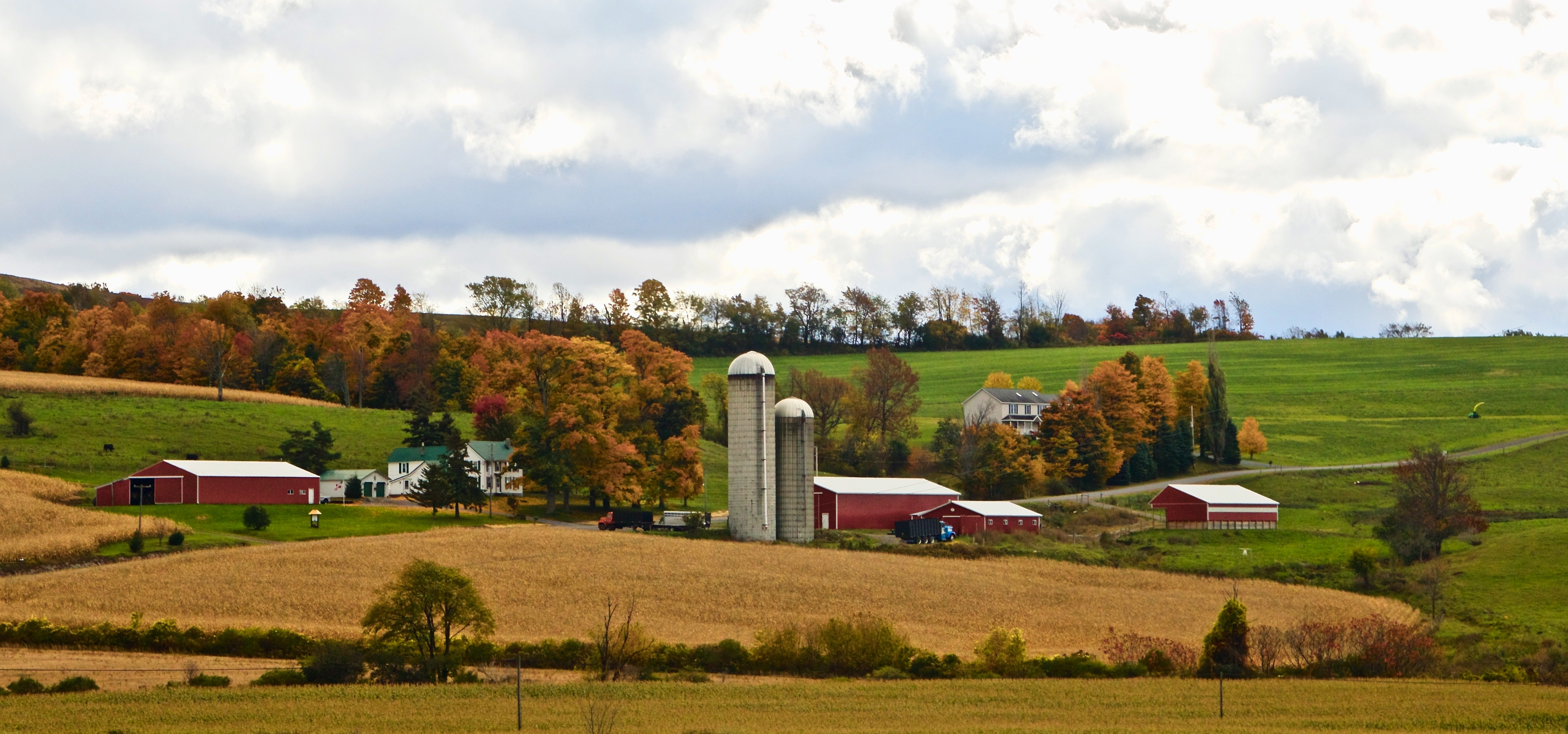
Pesticide products help farmers grow more food on less land by protecting crops from pests, diseases, and weeds, as well as increasing yields. Food crops must compete with 30,000 species of weeds, 3,000 species of worms, and 10,000 species of plant-eating insects. And threats don’t stop once crops leave fields – bugs, molds, and rodents can all cause damage in storage.
Pesticides are essential to protecting soil health and mitigating climate change. Farmers are the original environmentalists and care deeply about the health of their land. New innovations are allowing farmers to increase food access while promoting carbon sequestration and healthy soil.
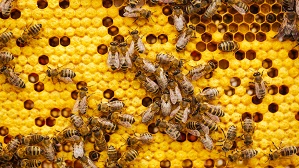
We support pollinator health and stewardship and recognize their importance to agriculture and our ecosystems. We don’t support policies that aren’t endorsed by science and that don’t recognize the existing set of robust regulations of pesticide products. New York has developed an evergreen Pollinator Protection Plan that considers pollinator health and stewardship solutions holistically, across various agencies and with stakeholder input. We support and encourage this type of consideration and response.
We are committed to working with stakeholders to support pollinator health and stewardship efforts. We also realize the importance of pesticide solutions, and how those impact our IPM practices and resistance management. We encourage thoughtful and stakeholder-engaged solutions like the New York State Pollinator Protection Plan developed by the Departments of Agriculture and Markets, Environmental Conservation, and the Office of Parks, Recreation and Historic Preservation, and its evergreen review and consideration of the matter.